Inherited Sin, Hidden Identity, and Psychological Conflict in a Troubled Victorian Household
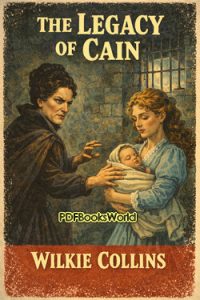
The Legacy of CainbyWilkie Collinsis a dark and emotionally complex novel exploring crime, guilt, inherited influence, identity, and moral uncertainty. Combining psychological suspense with domestic drama and social anxiety, the story examines whether evil arises from birth, environment, or personal choice.
Collins builds a tense narrative where hidden history and emotional suspicion quietly shape the destinies of innocent lives.
A Murderer’s Child Is Raised in Secret
The story begins after a woman is convicted of murder and sentenced to death. Before her execution, her infant daughter is secretly entrusted to the care of another family.
At the same time, another child enters the household under circumstances clouded by secrecy and confusion.
As the girls grow older together, uncertainty surrounding their true identities creates deep psychological tension within the family.
Questions gradually emerge regarding inheritance, character, morality, and whether the shadow of past crime continues influencing the next generation.
Emotional rivalries, romantic entanglements, and growing suspicion steadily intensify the atmosphere of unease.
The Figures Within the Domestic Mystery
The Two Young Women: Figures whose hidden origins and contrasting personalities become central to the unfolding conflict.The Guardians and Protectors: Adults attempting to shield the younger generation from painful truth and social judgment.The Romantic and Social Connections: Relationships shaped by emotional insecurity, attraction, and hidden suspicion.The Shadows of the Past: Earlier crimes and concealed secrets continuing to influence present lives.
The uncertainty surrounding identity and inherited influence gives the novel its psychological intensity.
Is Evil Inherited or Learned?
One of the novel’s strongest ideas is the fear that moral corruption may pass from one generation to another. Collins explores Victorian anxieties surrounding heredity, criminal psychology, and the relationship between nature and environment.
At the same time, the story questions whether society unfairly condemns individuals because of family history or social prejudice.
Characters repeatedly struggle to distinguish genuine moral character from assumptions based on origin and reputation.
This emotional and philosophical uncertainty gives the narrative unusual depth.
Major Themes Running Through the Novel
Inheritance and Moral Identity: Characters question whether crime and corruption can shape future generations.Hidden Truth and Family Secrecy: Concealed histories influence emotional relationships and social standing.Fear, Suspicion, and Psychological Anxiety: Uncertainty surrounding identity gradually damages trust and emotional stability.Society and Moral Judgment: Victorian assumptions about class, heredity, and respectability shape personal destiny.
Collins’s Exploration of Psychological and Social Fear
The Legacy of Caindemonstrates Wilkie Collins’s continuing fascination with emotional tension, moral ambiguity, and hidden domestic conflict. Rather than relying entirely on external mystery, the suspense emerges through psychology, social pressure, and emotional uncertainty.
Collins carefully balances sympathy for vulnerable individuals with darker reflections on fear and human weakness.
The pacing gradually intensifies as hidden truths move toward revelation.
Why the Novel Still Feels Thought-Provoking
Modern readers continue findingThe Legacy of Caincompelling because its themes remain highly relevant. Questions surrounding inherited trauma, identity, prejudice, and the influence of upbringing continue shaping modern psychological and social discussions.
The novel also anticipates later fiction exploring criminal psychology and family legacy.
For readers interested in Victorian psychological drama, domestic suspense, morally complex mysteries, and emotionally charged stories of identity and hidden pasts, this work remains haunting, intelligent, and deeply engaging.
 Library